
Treasure Tiles: Win Cash
Bear Hug Entertainment LimitedPuzzle
4.67.26K Reviews
- Version
- 5.0
- Installs
- 1.00M
- Age Rating
- Mature 17+
Screenshots


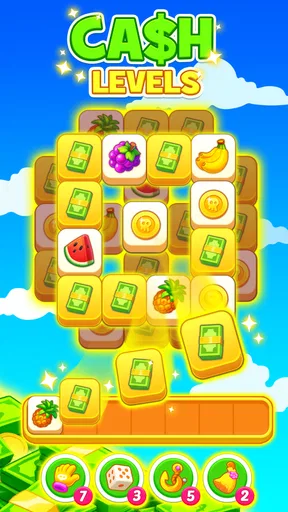

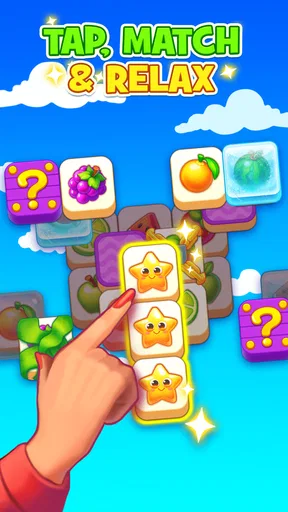
Our Review of Treasure Tiles: Win Cash
 Analysis by Appyee
I approached Treasure Tiles: Win Cash as a puzzle game for short, focused sessions rather than as a replacement for a traditional brain-training app. Its central appeal is easy to understand: you work through tile-based challenges while the game presents itself around cash-oriented rewards. That combination makes the first few minutes feel more attention-grabbing than an ordinary matching or logic title, but it also means I think players should examine the experience carefully before treating it as anything more than entertainment.
The game is free to download, belongs to the puzzle category, and is made by Bear Hug Entertainment Limited. It has reached over a million installs and holds a 4.6 average from around 91 thousand ratings, with roughly 7 thousand reviews. Those figures suggest that the game has found a sizeable audience, although popularity alone does not answer the questions that matter most during everyday use: how smoothly it starts, what happens when progress becomes confusing, and whether the reward-focused presentation suits your expectations.
Getting past the first points of friction
When I hit the first snag, I try to separate a confusing screen from a slow response before changing anything. Pausing to read the current prompt and noting the last action that worked can prevent a second tap from making the situation harder to understand. That small reset in attention is a useful starting point for the recovery steps that follow.
Why the opening experience deserves patience
Games built around quick tile decisions usually look simple on the surface, yet the first session can still be surprisingly easy to mishandle. I found that the important habit is to slow down long enough to understand what each screen is asking before tapping repeatedly. A puzzle board can reward careful observation, while a hurried tap may move the session in a direction you did not intend. This matters even more when the interface connects ordinary play with progress or reward language.
My practical advice is to treat the opening round as a learning pass. Notice how tiles respond, which actions advance the board, and where the game displays your current status. Do not assume that every prominent button has the same purpose. If a screen appears to offer a choice, read it fully before selecting anything. That small pause is more useful than trying to recover from a mistaken action later.
The mature age classification is also important. Treasure Tiles is rated for adults, so I would not install it on a child’s device simply because the puzzle format looks approachable. The cash-oriented theme can create expectations that are inappropriate for younger players, and adults should be the ones deciding whether the game fits the household. The age label is not a criticism of the puzzle itself; it is a reminder to consider the complete presentation rather than judging it only by the tiles.
What to check before blaming the game
When a game does not open correctly, freezes during a transition, or seems not to register an action, I start with the basics. I check that the device is running a compatible operating system, since the listed minimum is Android or iOS version 9. I also make sure the connection is stable, close other demanding apps, and restart the game rather than repeatedly tapping the same control.
These checks sound ordinary, but they separate a genuine game problem from a temporary device issue. A weak connection can make a transition appear stalled. Limited free storage can interfere with updates or normal operation. An overloaded phone can delay touch responses and make a puzzle feel inaccurate. Before reinstalling, I would give the app a clean restart and verify that the device itself is behaving normally in another app.
The current version is 5.0, so I would also check whether the installed copy is current. Version mismatches can produce odd behavior after a game changes its service or screen flow. If the game is running on an older build, updating is a sensible first step. If the problem began immediately after an update, restarting the device and reopening the game is still worthwhile before taking more drastic action.
Handling purchases with a clear head
The game is free, but it includes in-app purchases ranging from $1.99 to $9.99 per item. That is a meaningful part of the setup decision, especially because a cash-focused presentation can make optional spending feel connected to progress. I recommend deciding in advance whether you intend to spend anything at all. If the answer is no, keep your play focused on the puzzle and avoid making a purchase simply because a screen appears at a moment of frustration.
I also think it is wise to treat any reward language carefully. The store summary presents the game as a real-money experience, but that should not be read as a guarantee of effortless earnings. A player should understand the conditions shown inside the game and make decisions based on the actual on-screen instructions, not on the most optimistic interpretation of the concept. In my view, the safest mindset is to play for the puzzle first and regard any reward possibility as secondary.
Recovering a session when something goes wrong
A stalled session is frustrating, but I find a deliberate sequence more useful than repeatedly tapping or reinstalling in a hurry. I would first give the game a moment, then restart it and check the connection and device conditions before deciding the problem is persistent. If the issue remains, having a clear account of where it happened makes the next troubleshooting step more focused.
A simple recovery order
When a session becomes confusing, I use a fixed recovery order instead of guessing. First, I stop tapping and note what the last successful action was. Second, I leave the current screen only through a visible in-game control if one exists. Third, I close and reopen the game. Finally, I check the connection and device compatibility again. This sequence reduces the chance of turning a temporary delay into a more complicated problem.
That approach is especially useful in tile puzzles because repeated taps can create uncertainty about whether the game received one action, several actions, or none at all. If the board appears unresponsive, wait briefly before touching it again. If it still does not react, restart the session rather than trying to force a result. Keeping a calm record of what happened also makes any later support request more useful.
I would avoid uninstalling immediately if you care about current progress. Reinstallation can change the state of a game, and the safest general practice is to use any account, progress, or support option that the game itself provides before removing it. I cannot recommend assuming that a local session will automatically return after reinstalling. If your progress matters, preserve the situation first and use the game’s own recovery path.
Separating puzzle mistakes from technical faults
Not every disappointing result is a technical error. Sometimes the board is working correctly and the problem is simply a rushed choice. I found that reviewing the last few actions is more productive than immediately concluding that the game failed. If the displayed board changes consistently after each tap, the issue may be strategy rather than responsiveness.
On the other hand, a genuine technical fault tends to look different. Repeated inputs may produce no response, a screen may remain stuck after a restart, or the same failure may occur under a stable connection on more than one attempt. In that situation, record the device type, operating-system version, game version, and the exact point where the problem occurs. Those details are far more helpful than a general complaint that the game is broken.
A better everyday workflow
My preferred way to use Treasure Tiles is in short sessions with a clear stopping point. I begin when I have enough attention to read the board, play without rushing, and stop if the interface starts feeling unclear. I do not combine a puzzle session with distracted multitasking, because the game’s quick decisions are less enjoyable when I am constantly switching between apps.
A useful routine is to separate three activities: playing the puzzle, checking progress, and deciding whether to spend money. Mixing all three together can make a loss or a difficult board feel more emotionally important than it really is. By keeping those decisions apart, I can judge the game on its puzzle quality instead of letting reward expectations control every move.
This workflow also helps answer a common practical question: is the game suitable for occasional use? I think it is, provided you are comfortable with its adult-oriented, cash-themed presentation. It works best as a quick diversion for someone who enjoys tile puzzles and can ignore the pressure to chase every possible outcome. It is less suitable for anyone who wants a completely neutral, offline-feeling logic game.
When the phone or expectations are the real problem
Sometimes the puzzle is functioning as intended, while the phone’s responsiveness or a player’s expectations make it feel worse than it is. I try a few ordinary checks on the device and ask whether I want a cash-themed puzzle or simply a calm tile game; those are different needs. With that distinction in mind, it is easier to decide whether to continue or choose a more conventional alternative.
Device conditions can change the experience
A budget or older phone may still meet the listed operating-system requirement, yet that does not guarantee a perfectly smooth session. Background processes, low storage, heat, and an unstable network can all affect how quickly a game responds. If other apps are also slow, the likely cause is broader than Treasure Tiles. Restarting the device, freeing space, and trying again under a stronger connection are sensible general checks.
Touchscreen problems can also imitate poor game performance. If taps fail in other apps, the screen protector or device hardware may be involved. Test the same area of the display elsewhere before deciding that the puzzle is ignoring you. This is a small but valuable diagnostic step, because it prevents unnecessary reinstalls and helps identify whether the fault follows the game or the phone.
Reward expectations need realistic boundaries
The biggest potential mismatch is between what a player wants and what this kind of game is designed to provide. Someone looking for a pure logic challenge may dislike the emphasis on cash. Someone hoping for dependable income may be disappointed by the uncertainty and conditions associated with reward-based play. I would not recommend installing it as a financial plan, and I would never spend money that I cannot comfortably lose just to pursue a better result.
There is also a psychological trade-off. A conventional tile game lets you judge success by solving boards or improving your own skill. A cash-oriented game adds another layer, which can make every decision feel more consequential. That may be exciting for some adults, but it can reduce the relaxing quality that people usually expect from puzzle games. If you notice yourself playing mainly because you feel pressured to recover a previous result, that is a good reason to stop.
How it compares with ordinary puzzle alternatives
Compared with a standard tile-matching game, Treasure Tiles offers a more distinctive reason to open it, but that distinction is also its main limitation. Traditional alternatives are usually easier to understand as leisure: solve the board, enjoy the pattern, and move on. Here, the reward framing becomes part of the experience, so the game asks you to evaluate both the puzzle and the surrounding expectations.
Compared with a pure brain-training app, it is less appealing if your goal is structured practice, measured learning, or a calm progression system. I would choose a conventional logic title for a child, for a screen-free-feeling break, or for anyone who wants to avoid purchase prompts and cash-related motivation. I would choose Treasure Tiles for an adult who specifically enjoys tile puzzles and is curious about a reward-centered format, while remaining disciplined about spending and expectations.
Who should install it, and who should skip it
I can recommend giving it a cautious try to adults who enjoy quick puzzle rounds, understand the mature rating, and are willing to read the game’s instructions rather than assuming how rewards work. It may also suit players who like having a little extra tension around familiar tile decisions and who can keep the experience within a fixed leisure budget of zero or a small amount they have already chosen.
I would skip it if you need a child-friendly game, a completely offline puzzle, a guaranteed source of money, or a distraction with no purchase-related element. I would also avoid it if you tend to chase losses or feel uncomfortable when a game connects progress with financial language. In those cases, a conventional free puzzle app is likely to be a better fit, even if it lacks the unusual hook that makes this title stand out.
My practical verdict after using it
Treasure Tiles is an interesting puzzle game with a clear point of difference, but that difference requires responsible use. Bear Hug Entertainment Limited has placed a familiar tile format inside an adult, cash-focused experience, and the result is more specific than a normal matching game. I enjoyed the moments when I could concentrate on the board itself, yet I also found that the surrounding reward framing demanded more caution than a typical puzzle app.
The strongest advice I can give is to prepare before playing: confirm that the device meets the minimum operating-system requirement, check that the installed version is current, use a stable connection, and decide your spending limit before the first session. If something stalls, stop tapping, restart methodically, and distinguish a device problem from a genuine game error. These habits make the experience easier to judge and reduce avoidable frustration.
With a 4.6 average and more than a million installs, the game clearly has broad appeal, but those figures should be treated as context rather than a personal recommendation. My recommendation is conditional: try it if you are an adult puzzle fan who wants to explore a reward-themed format and can keep expectations realistic. If what you really want is a quiet, straightforward tile game, the usual alternatives will probably serve you better.
My bottom line: Treasure Tiles is worth testing for its unusual combination of tile puzzles and cash-oriented presentation, but I would keep sessions short, spending optional, and expectations firmly grounded. It is best approached as a game first, not as a dependable way to make money.
Verdict
Strengths of Treasure Tiles: Win Cash
- Simple tile-matching gameplay is easy to learn and play casually.
- Short rounds fit well into quick breaks or commutes.
- Bright visuals make the board easy to read on smaller screens.
- Progression and rewards can encourage regular play sessions.
- Free access lets users try the core game before spending money.
Limitations of Treasure Tiles: Win Cash
- Cash-out eligibility may depend on location, account status, or other rules.
- Reward values can feel small compared with the time required to earn them.
- Frequent ads may interrupt gameplay or slow progress between rounds.
- An internet connection may be needed for rewards and account tracking.
- Results and earnings can vary, so the app should not be treated as income.
Other Releases by Bear Hug Entertainment Limited
View All
Garden Match: Win Cash
Puzzle4.6

Win Words: Crosswords Game
Word4.6
Similar Picks in This Category
View All
Block Blast!
HungryStudio4.8

Braindom: Brain Games Test
Lahana Game Studio4.6

AMAZE!
CrazyLabs LTD4.6

Sudoku - Classic Sudoku Puzzle
Oakever Games4.7

Art Puzzle - Puzzle Games
Easybrain4.8

Amaze GO!
Oakever Games4.9
Frequently Asked Questions
What is Treasure Tiles: Win Cash?
Treasure Tiles: Win Cash is a casual tile-matching game built around short puzzle rounds and reward-style gameplay. Players generally clear matching tiles, complete objectives, and progress through levels while viewing their virtual earnings or bonuses. Although the title highlights cash prizes, the game should be treated primarily as entertainment until you have reviewed its current reward rules, eligibility requirements, and withdrawal conditions in the app.
Can you really win real money with Treasure Tiles: Win Cash?
The game may advertise opportunities to earn cash or rewards, but advertised amounts should not be understood as guaranteed income. Winning or redeeming money can depend on factors such as level progress, available promotions, account verification, regional eligibility, minimum withdrawal limits, and the supply of rewards. Before investing significant time, check the official terms and confirm whether cash-out options are available in your country.
How does the gameplay work?
Treasure Tiles: Win Cash uses a straightforward puzzle format designed for quick sessions. You typically match or remove tiles according to the objective shown on the screen, use available boosters when necessary, and advance through increasingly challenging stages. The controls are usually easy to learn, making the game accessible to casual players, although advertisements, timers, energy systems, or optional purchases may affect the pace of progression.
Is Treasure Tiles: Win Cash free to download and play?
The application may be free to install, but free access does not necessarily mean that every feature is completely cost-free. Games in this category commonly include advertising, optional in-app purchases, rewarded videos, or virtual currencies. Review the store listing and the payment settings on your device before downloading, and avoid entering payment information unless you clearly understand what is being purchased and whether the transaction is refundable.
What should I check before requesting a withdrawal?
Before attempting to withdraw rewards, carefully read the app’s current cash-out instructions. Check the minimum balance, supported payment methods, processing time, identity or age requirements, regional restrictions, and any conditions involving advertisements, referrals, or bonus funds. Never assume that an on-screen balance is immediately withdrawable. You should also review the privacy policy and permissions requested, especially if the app asks for personal or payment-related information.
Play our best games!


